 PFAS Observer
On September 28, 2023, the U.S. Environmental Protection Agency (EPA) finalized the long-awaited one-time reporting rule for per- and polyfluoroalkyl substances (PFAS) that the Agency had proposed in June 2021 under Section 8(a)(7) of the Toxic Substances Control Act (TSCA). The finalization of this rule is one of the regulatory milestones set forth in the Biden EPA’s 2021 PFAS Strategic Roadmap. This rule will require businesses to provide the EPA information regarding their manufacture or importation of subject PFAS, as well as, most importantly, articles including covered PFAS, since January 1, 2011.
Posted
The EPA Proposes Significant New Use Rules


On June 20, 2023, the U.S. Environmental Protection Agency (EPA) proposed Significant New Use Rules (SNURs) under the Toxic Substances Control Act (TSCA) for 18 chemicals derived from the recycling of plastic wastes. 88 Fed. Reg. 39804 (2023). The chemicals were the subjects of premanufacture notifications (PMNs) submitted in 2015 and 2019 and of subsequent consent orders issued by the EPA under the authority of TSCA 5(e) and effective on August 25, 2022. The chemicals include naphtha blends and other pyrolysis oils.
Posted
Managing PFAS Risks in a Fast-Changing Legal Landscape
On September 14, join Aimee Ghosh for a free, one-hour webinar as they cover U.S. regulatory/state developments related to PFAS, the importance of insurance as a possible tool for offsetting PFAS-related liabilities, and the unorthodox climate surrounding federal legislation regarding the chemicals.
Register here.
Posted
PFAS and the Challenge of Cleaning Up “Forever”
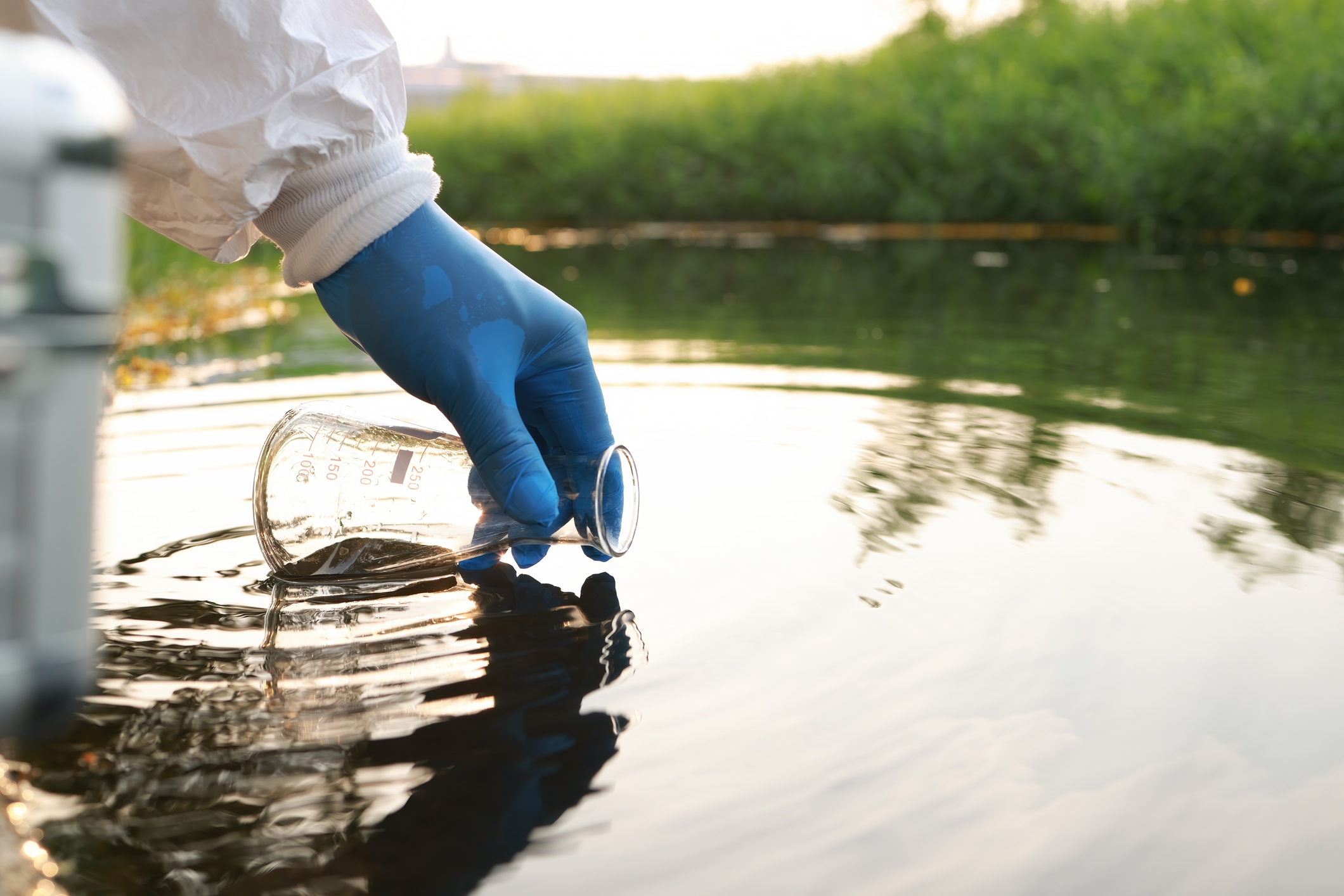 From a stream of legal challenges, to ever-expanding regulations on things like cosmetics and drinking water, PFAS are the “forever chemicals” keeping companies and consumers on high alert. While industries scramble to remove the synthetic compounds from products, scientists are researching new techniques for scrubbing PFAS from the environment. There is money to be had for those who can find a more streamlined method of purging the substances—the U.S. Army Corps of Engineers has an $800 million contract on the table for the handling, destruction and replacement of PFAS-laden fire-fighting foam—leaving technology companies racing to create solutions. The three main PFAS cleaning techniques currently relied upon can be very effective but are also costly and may leave questionable byproducts in their wake.
Posted
EPA Continues the Beat with an Advanced Notice of Proposed Rulemaking for Additional CERCLA Hazardous Substance Designations for PFAS
On April 13, 2023, the Environmental Protection Agency (EPA) issued an Advanced Notice of Proposed Rulemaking (ANPRM) requesting input on seven potential future hazardous substance designations of per- and polyfluoroalkyl substances (PFAS) under the Comprehensive Environmental Response, Compensation, and Liability Act (CERCLA). (See Addressing PFAS in the Environment, 88 Fed. Reg. 22399, Apr. 13, 2023.)
Posted
Industry Awaits as the TSCA PFAS Reporting Rule Looms
Per- and polyfluoroalkyl substances (PFAS) continue to garner regulatory attention at the federal and state levels. One of the regulatory milestones set forth in the Biden EPA’s 2021 PFAS Strategic Roadmap was the finalization and implementation of a one-time reporting rule that the Agency had proposed in June 2021 under TSCA Section 8(a)(7). This rule will require manufacturers, including importers, of PFAS to provide EPA with certain information regarding their introduction of PFAS into commerce, as well as on the resulting exposure to and downstream uses of such PFAS. Although the public comment period on this rule has long since closed, we are only months away from the targeted date by which EPA has promised to publish the final regulation. Specifically, EPA must promulgate the final rule by January 1, 2023. Thereafter, subject businesses must submit the requisite information to EPA within six months following the effective date of the final rule.
Posted
EPA Announces Stringent New Health Advisory Levels for Four PFAS Chemicals


On June 15, 2022, the EPA released drinking water health advisory levels for four per- and polyfluoroalkyl substances (PFAS): PFOA, PFOS, PFBS and GenX. The announcement reflects the Biden administration’s continued push to regulate PFAS.
In requesting information from its Scientific Advisory Board (SAB) on PFOA and PFOS last fall, the EPA signaled that it would seek to regulate these two chemicals at concentrations below the existing advisory levels of 70 parts per trillion (ppt). The revised advisory levels for these two substances confirm that suspicion and present new technical challenges in PFAS detection and treatment, as do the new advisory levels for PFBS and GenX.
Posted
The “Everywhere Chemical”—Might Phthalates Become the Next PFAS?
The term “phthalate” denotes a class of chemicals that have been used since the 1920s to improve the flexibility and durability of plastic. Accordingly, phthalates can be found in hundreds, if not thousands, of everyday products, ranging from food packaging to toys, medical devices, construction materials, textiles, cosmetics, soaps, and fragrances. Their ubiquity has led some to nickname them the “Everywhere Chemical.”
Posted
EPA and States Target Widely Used PFAS
Per- and polyfluouroalykyl substances, or PFAS, are the subject of heightened scrutiny by federal and state governments as concerns rise about the tenacious chemicals’ impact on human health. PFAS are a group of several thousand synthetic chemical compounds resistant to heat, water, and oil that have become ubiquitous in modern life. The chemicals have been used since the 1940s to add water and stain repellency to fabric and carpet, to provide non-stick properties to food paper wrappings, and to make fire-fighting foams. They also are used in certain industrial operations, such as electroplating. While PFAS are useful for these and other purposes due to their hydrophobic and lipophobic properties, federal and state agencies have been scrutinizing the persistence of the chemical compounds, particularly in water sources.